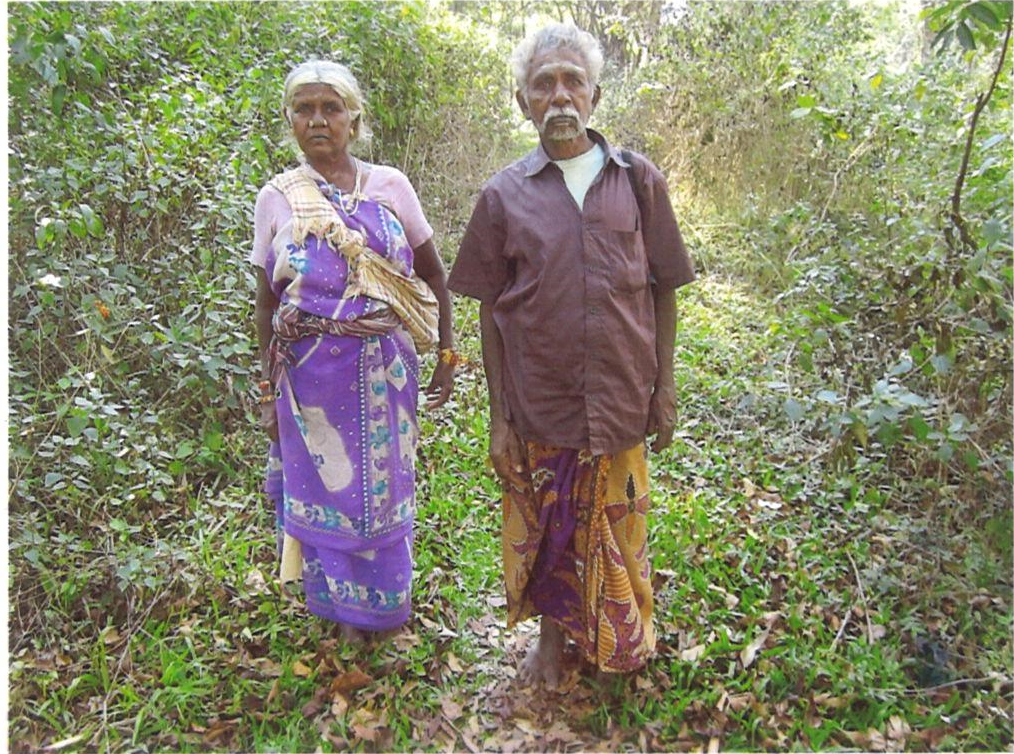
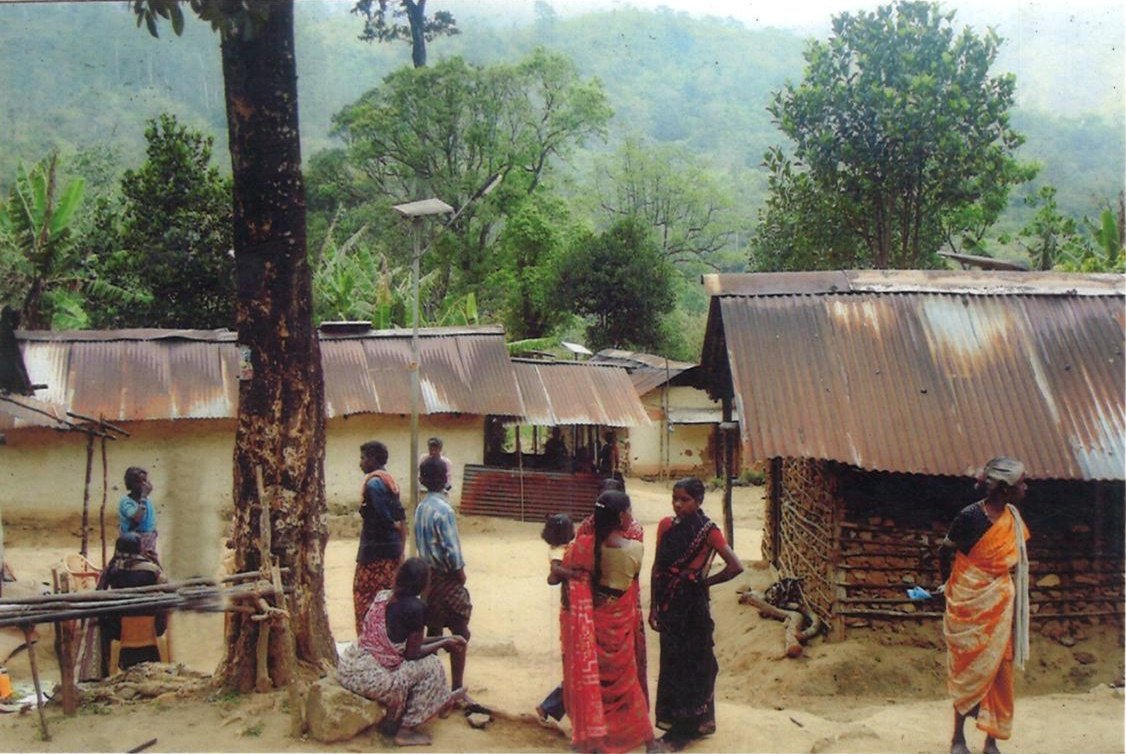
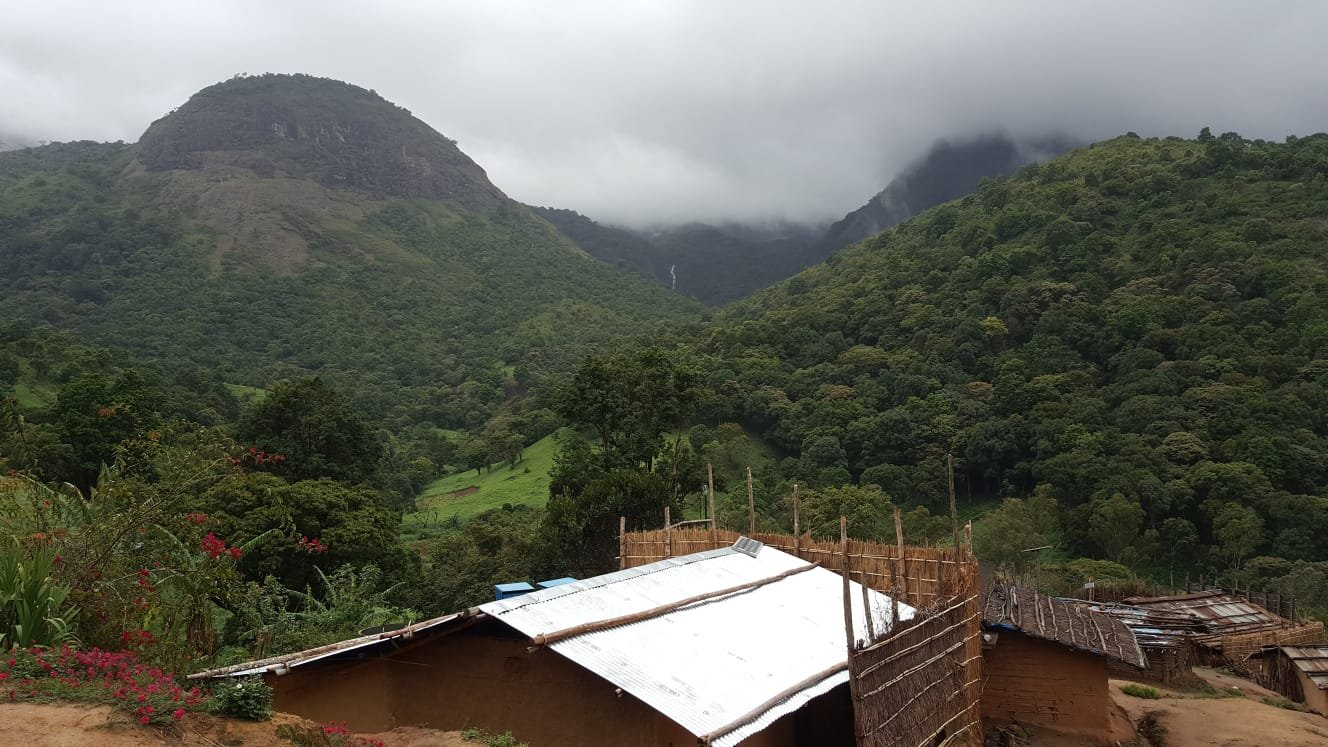
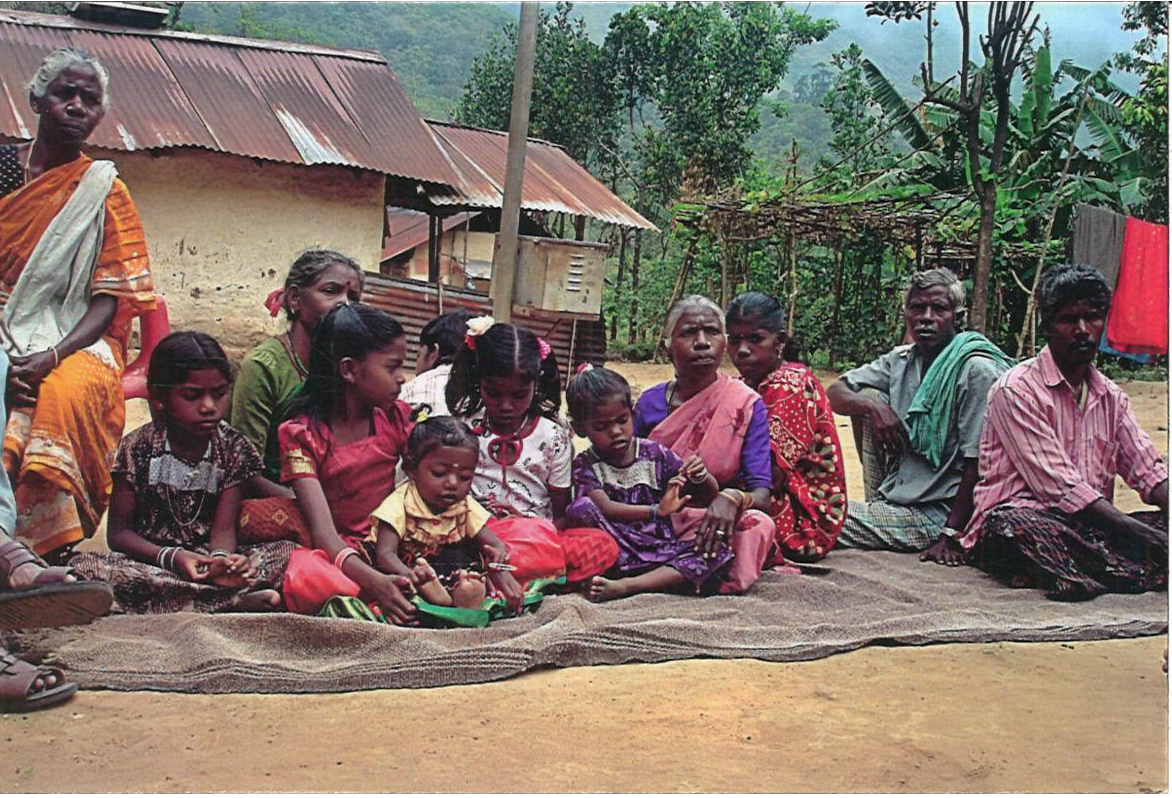
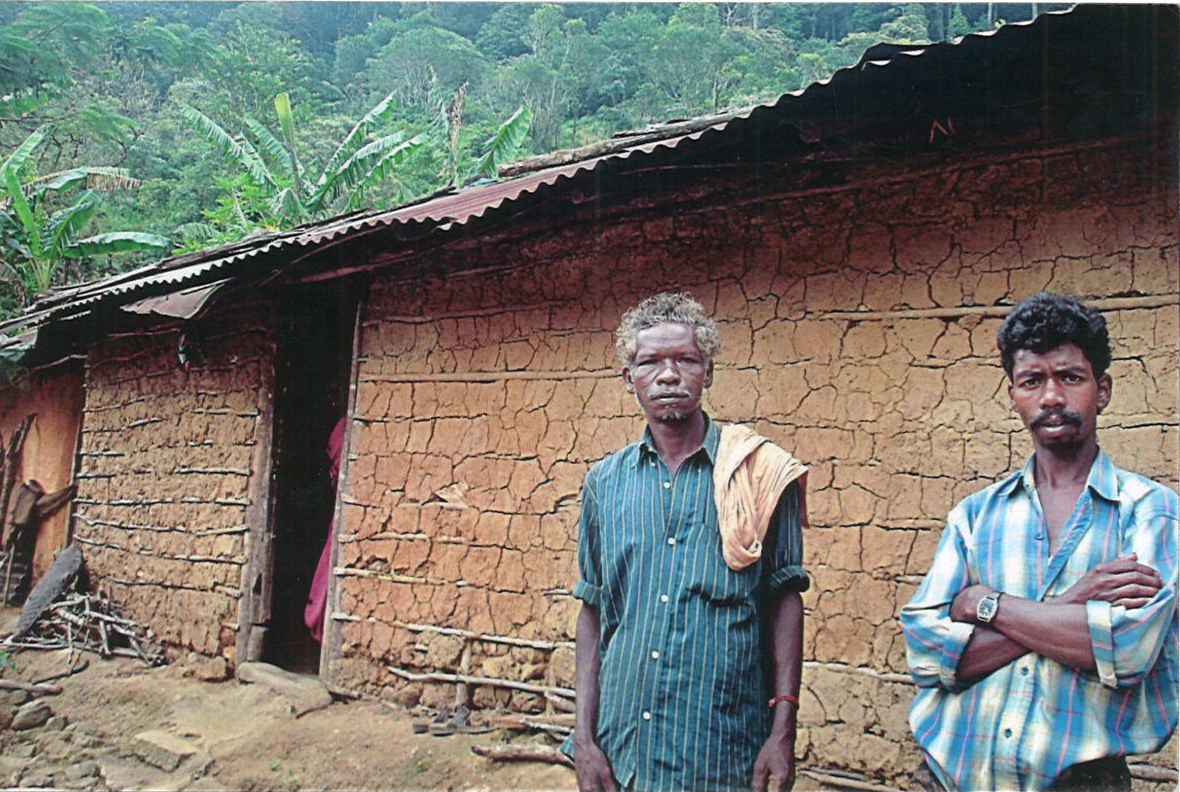
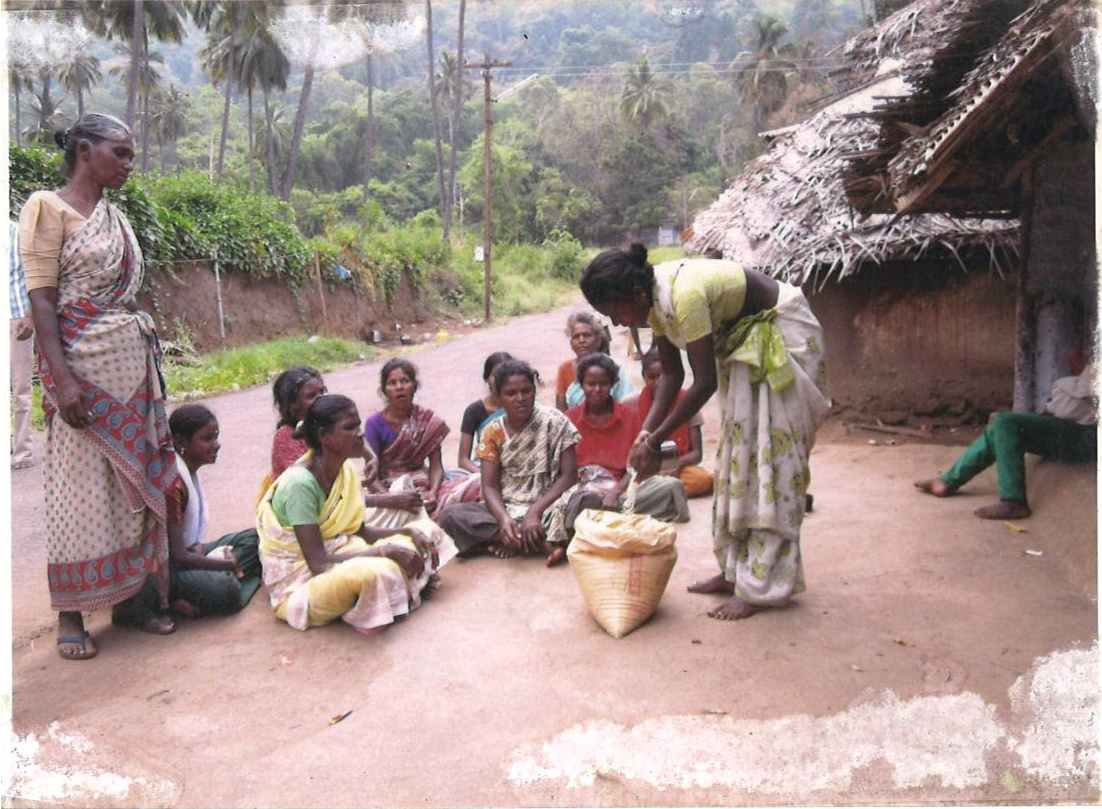
The tribal communities of the Western Ghats once lived in harmony with nature, sustaining themselves through forest resources, traditional agriculture, and indigenous knowledge systems.
This balance was disrupted in 1927 with the introduction of the Indian Forest Act, which removed tribal rights over forests. Post-independence policies further alienated them by transferring land to private industries.
In 1977, the declaration of the Indira Gandhi Wildlife Sanctuary led to further displacement of tribal communities. While conservation was the goal, it resulted in loss of livelihoods, declining health, and erosion of traditional knowledge systems.
Today, more than six tribal communities in the Western Ghats face serious challenges to their survival.
Over 2,000 families depend on forests for food and livelihood, yet restrictive policies, land loss, and modernization threaten their way of life.
Traditional knowledge, languages, and cultural practices are rapidly disappearing. Without immediate intervention, both tribal identity and ecological balance are at risk.
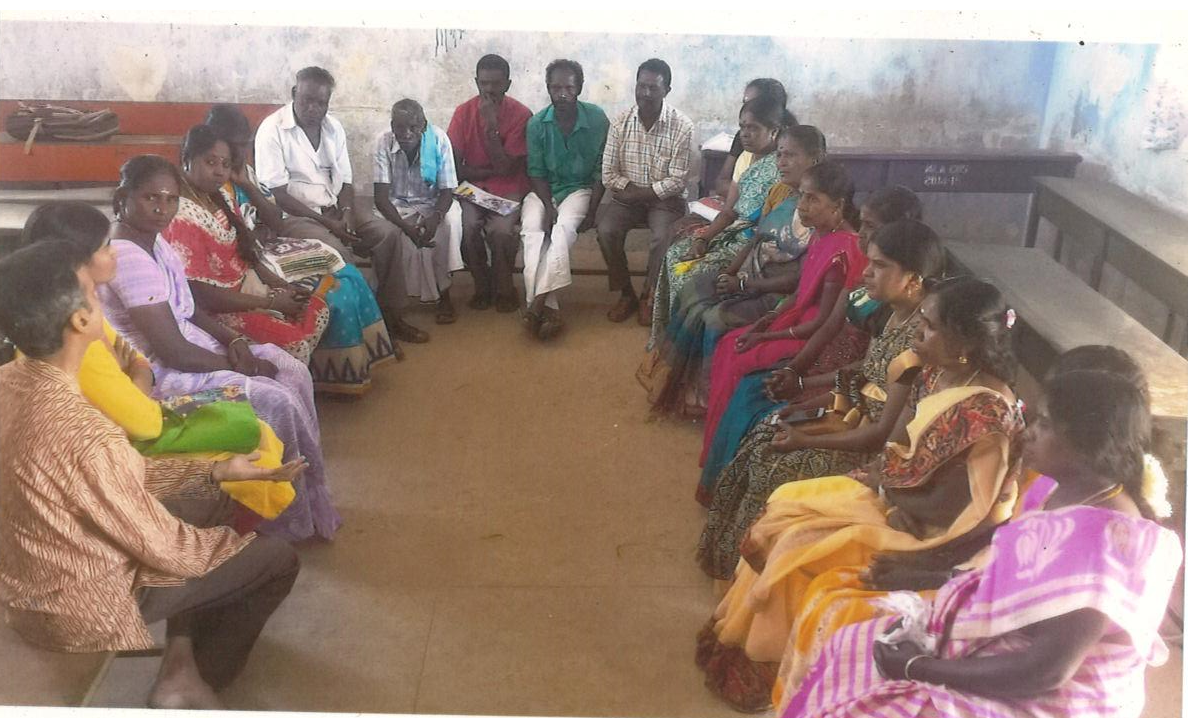
ASNSS – Anaimalai Samuga Nnala Seeramaippu Sangam promotes sustainable livelihood activities such as honey collection, herbal medicine, and forest-based enterprises, while advocating for community rights under the Forest Rights Act.
We revive traditional medicine and conduct health camps, with a strong focus on maternal and child nutrition.
ASNSS – Anaimalai Samuga Nnala Seeramaippu Sangam runs education support programs, provides study materials, and promotes school retention among tribal children.
We develop income generation programs including value addition units, forest produce processing, and community enterprises.
“We are building a tribal-led honey and forest economy that protects biodiversity while generating sustainable income in the Western Ghats.”